Cash back versus travel rewards: how to choose
Cash back is simple and predictable. Travel rewards are more valuable when you actually travel. Here is how to decide which path fits your spending.
The cash-back versus travel-rewards choice is the first real decision in credit card strategy. The two paths require different mental models and different commitments. Pick the one that matches how you actually spend.
What cash back is good at
Predictable value. Two cents back on a dollar is two cents back on a dollar. There is no points valuation, no transfer partner, no award space, no devaluation risk. The math is fixed.
Low cognitive overhead. You do not need to learn an award chart. You do not need to time transfer bonuses. You do not need to find premium cabin space three months out.
Approval at lower credit profiles. The strongest cash-back cards are approachable for 670+ FICO scores. The strongest travel cards typically require 740+.
Lower annual fees on average. The benchmark cash-back cards (Active Cash, Double Cash, Quicksilver) carry $0 annual fees. The strongest travel cards run $325 to $695.
What travel rewards are good at
Higher redemption ceilings. When you transfer points to a partner and book a business class award that would cost $5,000 cash for 80,000 miles, the effective redemption rate is 6 cents per point. No cash-back card produces that math.
Travel-specific perks. Lounge access, hotel elite status, trip insurance, statement credits for airline fees, Global Entry credits. These benefits have real cash value if you use them.
No foreign transaction fees. Almost universally true for travel cards. Almost universally false for cash-back cards.
Aspirational travel that you would not otherwise book. The honest answer is that points redemptions enable trips you would not pay cash for. International business class is the canonical example.
The break-even math
Cash back at 2% earns 2 cents per dollar of spend. Travel rewards at 2x earn 2 points per dollar of spend. Those points are worth varying amounts depending on how you redeem.
At 1 cent per point (cash back floor on a travel card), the travel card earns the same 2 cents per dollar as a 2% cash-back card. No advantage either way.
At 1.5 cents per point (typical Chase Travel redemption on a Sapphire Reserve), the travel card earns 3 cents per dollar. 1.5x the cash-back math.
At 2 cents per point (Hyatt transfer redemption on Ultimate Rewards), the travel card earns 4 cents per dollar. 2x the cash-back math.
At 3 cents per point (premium cabin transfer redemption), 6 cents per dollar. 3x the cash-back math.
The break-even depends entirely on how you actually redeem. If you redeem at the floor, the travel card earns the same as cash back. If you redeem at the ceiling, the travel card earns 3x.
When cash back is the right answer
You do not travel often enough to use travel benefits.
You want a simple wallet with no time spent on award optimization.
Your credit profile or application history limits you to easier-to-approve products.
You travel but pay cash for hotels and flights because the math on points has never worked out for you. Honesty here is more useful than aspiration.
When travel rewards are the right answer
You take three or more trips a year that include flights or hotel stays.
You are willing to spend an hour now and then learning a transfer partner’s award chart.
Premium-cabin travel is something you would actually want to do, even if you would not pay cash for it.
You already pay for lounge access, Global Entry, or other perks that a travel card credit replaces.
The stacked wallet
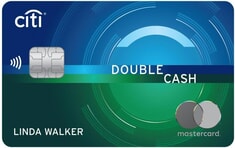
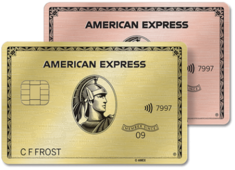
The right answer for many readers is one of each. A $0 annual fee cash back card (Wells Fargo Active Cash or Citi Double Cash) handles uncategorized spend. A travel card (Sapphire Preferred or Amex Gold) handles dining, travel, and other bonus categories. The cash-back card stays open forever as a credit-age anchor. The travel card moves around as your travel needs change.
This setup costs $95 to $325 a year in travel-card annual fees, plus zero on the cash-back side. The break-even is straightforward: if your annual travel-card rewards exceed the fee, you are ahead.
Bottom-line recommendation
Start with cash back if you are new to credit cards or new to rewards. Add a travel card after you have built credit and have a real sense of how much you travel. Do not buy a Sapphire Reserve hoping you will start traveling more.