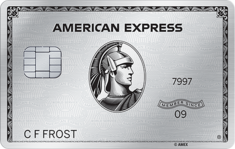
After the 2025 refresh this is a $795 credits machine with the best protections in the market. The math works if you use The Edit and the dining credit. If you will not, the Preferred keeps most of the earning power.
Advertiser disclosure: we are paid when you apply through some links on this page. We're paid when you apply via some links. Details
Travel cards earn outsized rewards on flights, hotels, dining, and transit. The best of them let you transfer points to airline and hotel partners for fares and rooms that would cost far more in cash. Pick a flexible-points card if you book your own trips. Pick a cobrand if you fly one carrier most of the time.
After the 2025 refresh this is a $795 credits machine with the best protections in the market. The math works if you use The Edit and the dining credit. If you will not, the Preferred keeps most of the earning power.
The 2025 refresh pushed the fee to $895 and the credit stack past $3,000 on paper. It pays for itself only if the credits match how you already spend. The 5x flight earning and lounge network remain the core.
The cheapest credible premium travel card, and the credit plus anniversary miles still roughly cover the fee. The February 2026 guest-access cut stings for families.
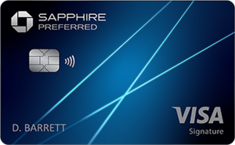
The mid-tier travel card most people keep for years. The June 2026 refresh added 3x earning on gas, EV charging, and vacation rentals, doubled the hotel credit to $100, and added a $120 Global Entry credit, all at a $95 fee.
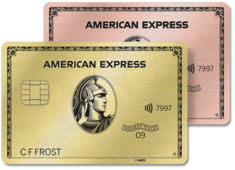
Still the strongest food-spend card in the market. The $325 fee nets down fast if the monthly credits fit your habits, and the 2026 refresh added real hotel earning.
The benchmark business card. 3x on the categories small businesses actually spend on, and the points move to airlines and hotels.
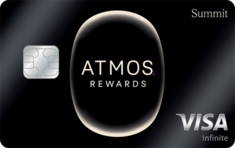
The premium Atmos card pairs 3 points per $1 on dining and all foreign spending with eight Alaska Lounge passes and a companion award worth up to 25,000 points each year. At $395 it needs regular Alaska or Hawaiian flying, and the lounge benefit is passes rather than a membership.
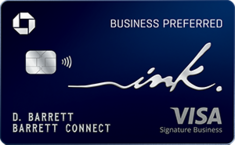
A $795 business card that pays 8x on Chase Travel and stacks more than $3,000 of stated annual credits, most of which are tied to specific merchants and booking channels. It is a Pay in Full card with a Flex for Business line, so it suits businesses that clear the balance monthly and will actually use the Chase Travel, Google Workspace, ZipRecruiter and DoorDash credits.
The strongest hotel card in the market for anyone who actually stays at Hilton resorts. The free night plus credits exceed the $550 fee with ordinary use.
The widest 3x coverage of any $95 card. If your spending spreads across gas, groceries, dining, and travel, this earns more than a Sapphire Preferred. Protections are weaker.
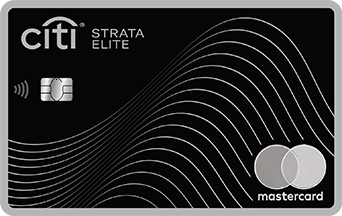
The Strata Elite pairs a $595 fee with about $820 in annual credits plus Priority Pass Select, so the math works if you use the hotel, Splurge and Blacklane credits. Its 12x and 6x rates only apply to bookings made through cititravel.com, which limits where the top earning shows up.
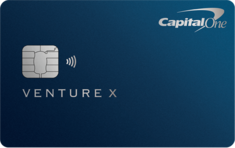
The simplest real travel card. 2x on everything and the same transfer partners as Venture X at a quarter of the fee. Protections are the tradeoff.
The anti-portal travel card. Top-tier earn rates on hotels and flights booked anywhere, which beats portal-locked rivals for travelers who book direct. No trip delay coverage is the notable gap.
The best points-per-dollar hotel card because Hyatt points are worth roughly double the other chains. The anniversary night routinely covers the fee.
Buy it for the companion certificate. A couple flying Delta once a year domestically usually clears the $350 fee on that benefit alone.
The sweet spot of the United lineup for anyone flying United monthly. The $200 credit and two free bags do the heavy lifting against the $350 fee.
AAdvantage miles are the most valuable airline currency right now, and this is the cheapest way to earn them plus a bag benefit. Citi stripped travel protections years ago, so cover trips elsewhere.
Huge welcome bonuses and the fourth-night-free perk make this the volume play among hotel cards. IHG points run cheap, so earn lots and burn them on multi-night stays.
The September 2026 refresh doubled the fee to $195 and traded the 3x grocery and dining rates for automatic Aeroplan 25K status and 15% off Air Canada award flights. It now suits people who actually fly Air Canada, and Aeroplan points still punch above their weight on Star Alliance partner awards.
The $95 fee is easy to cover if you fly British Airways from the US, because the Reward Flight statement credits are worth up to $600 a year. Everyday earning is weak at 1 Avios per dollar, and Avios are only useful inside the Avios ecosystem.
A flat 2X business card with a $95 fee, transferable miles and $100 a year in credits that offset most of the fee. The 5X rate and both annual credits are tied to Capital One's own booking and merchant categories.
The best no-fee travel earner. 3x on six categories covers most of a trip and most of a normal month. Points pool with the Autograph Journey for transfers.
For the Delta loyalist who wants Sky Club access and a First Class companion certificate. The 15-visit cap means road warriors need to mind the meter or spend toward unlimited.
A United Club membership costs more than this card. If you would buy the membership anyway, the card pays for itself before the first swipe.
A $95 airline card whose annual Companion Fare and free checked bag can cover the fee on one round trip for a pair of travelers. Earning outside Alaska and Hawaiian purchases is ordinary, and the points only work inside the Atmos Rewards program.
The top IHG card launched in October 2026 with a $350 fee that only works if you use the $300 in hotel dining vouchers and the $200 airline credit. Platinum Elite status and a 60,000-point anniversary night are the reasons to pick it over the $150 Premier.
A travel card that charges no annual fee, waives foreign transaction fees, and still includes a Priority Pass membership and a Global Entry or TSA PreCheck fee credit. U.S. Bank points do not transfer to airlines or hotels, so they are worth about a cent each no matter how you redeem.
Automatic Platinum Elite is the headline. The 85,000-point night and dining credit cover the $650 fee if you stay at Marriott even a few times a year.
The $200 annual Hilton credit and the free night at $15,000 of spend cover the $150 fee for anyone who stays with Hilton a few times a year. Hilton points are worth well under a cent each, so the 12x headline rate is smaller than it looks.
Mediocre at face value, exceptional with Platinum Honors status. If you keep $100K at Merrill this quietly outearns nearly every flat-rate card. Points are fixed at 1 cent.
The August 23, 2026 refresh raised the fee to $695 but backed it with real value: a $500 AA Vacations credit, a new $100 inflight/Admirals Club credit, a bigger Lyft credit, and Omni elite status stack on top of the Admirals Club membership. It's $100 more expensive than before, but still the cheapest way to buy lounge access for the whole family.
A $149 business card for companies that fly Southwest often enough to use the free checked bags, Group 5 boarding and 6,000 anniversary points. Rapid Rewards points cannot be transferred to other programs, so the value depends almost entirely on Southwest fares.
The 2025 refresh raised the fee to $229 and killed the $75 travel credit, but bag fees on Southwest made the checked-bag benefit real money. Worth it for regular Southwest flyers, not for anyone else.
A $650 card that only pays for itself if the business flies Delta often enough to use the Sky Club visits, the companion certificate, and the annual credits. Earning outside Delta is weak at 1x to 1.5x, and SkyMiles cannot be transferred elsewhere.
The default card for anyone who flies United a few times a year. The checked-bag benefit alone covers the fee for most, and the April 2026 bump to 3x on United purchases sweetened it.
The two-free-bags change in 2026 made this an easy call for Delta households. Earning rates are modest, so pair it with a stronger everyday card.
The top-tier Chase Disney card, at $149 a year, pays 10% back on Disney, Hulu and ESPN subscriptions and adds a $10 monthly streaming credit plus two anniversary bonuses worth $300 if you hit the spend thresholds. Rewards can only be spent at Disney or against airfare, so the fee is hard to justify without regular Disney spending.
A premium card that only makes sense for Preferred Rewards Platinum Honors households, where the effective earn rates and $450 in credits beat the fee. Everyone else has better options.
A low-cost business card for companies that fly Alaska or Hawaiian, with a free checked bag for up to seven people and an annual Companion Fare that can cover the fee. Points are Atmos Rewards miles, so the value is tied to one airline group.
A $100 airline credit and a $120 Global Entry credit beat the $95 fee. PenFed stopped waiving that fee for military members and checking customers on September 28, 2026. PenFed points are worth $0.0085 to $0.01 each with no transfer partners, and the Priority Pass membership still charges $35 per lounge visit.
A no-annual-fee flat-rate card whose first-year Miles Match effectively doubles the 1.5x rate to 3x for 12 months. Miles are only worth 1 cent each and there are no transfer partners, and Discover acceptance is weaker outside the United States.
The middle Southwest card earns its keep through the anniversary points and bag benefit. Regular flyers chasing A-List should weigh the Priority instead.
Worth holding for the anniversary night alone if you stay at Marriott once a year. Everyday earning is weak because Bonvoy points run cheap.
A no-fee on-ramp to Capital One miles. The 1.25x rate is light, so it works best as a starter or a keeper card after downgrading.
Big numbers, cheap points. 7x on Hilton stays is an effective 2.5% back, fine for a no-fee card but a step behind the Surpass for anyone spending $15 a night more.
The entry AAdvantage card: no annual fee, 2 miles per dollar at grocery stores and on American Airlines purchases, and Loyalty Points that count toward status. It has no free checked bag and charges a 3% foreign transaction fee, so it is a supplement rather than a primary travel card.
A simple no-fee travel card that gets genuinely good at Platinum Honors, where it earns an effective 2.625% against any travel purchase.
A genuinely fee-free business travel card. Booking through BofA's own travel portal earns 3x versus a flat 1.5x elsewhere, and Preferred Rewards for Business members can push that even higher.
The two-tier 125,000-point bonus plus an annual Free Night Award make the $125 fee easy to earn back in year one. Earning 4x across gas, wireless, shipping and dining beyond Marriott stays is unusually broad for a hotel co-brand card.
This business card earns AAdvantage miles at a strong 2x rate on airline, gas, and telecom spend, and the free checked bag for you and 4 companions alone can cover the $99 fee for a small business owner who checks bags even twice a year.
A $150 annual fee gets you 100,000 miles, 2,000 PQP toward status, and a real path to United elite tier through everyday spending. The 8x rate on United flights and free checked bag make it worth keeping if you fly United for business regularly.
Free checked bags for up to 8 travelers on one reservation is the reason to carry this card if you fly Delta with a team. The $150 fee after the first year is easy to justify with one round trip's worth of bag fees.
The annual companion certificate alone can be worth more than the $350 fee if you regularly buy two Delta tickets for business travel. The MQD Headstart also puts you closer to Medallion status without flying more.
Venture X Business earns 2x miles on everything with no preset spending limit, and the $300 annual travel credit plus 10,000 anniversary miles cover most of the $395 fee on their own. The February 2026 lounge changes mean free guest and authorized-user access are gone, so check those costs before counting on them.
The $250 fee is steep, but Gold Elite status plus a Free Night Award worth up to 50,000 points at $15,000 spend can cover it many times over for frequent Marriott guests. This makes the most sense if you're already loyal to the brand, not as a general travel card.
The October 2026 relaunch doubled the annual fee to $200 but kept automatic Platinum Elite status and raised the anniversary night to 50,000 points. The 10x IHG earn rate and 4th-night-free redemptions still make it a strong pick if you book IHG properties for business travel.
The elevated 125,000-point offer plus $150 credit, live through September 30, 2026, is one of the best Bevy welcome deals of the year. Once the promo ends, weigh the $250 fee against how close you get to the $15,000 spend needed for the Free Night Award.
The $199 fee is real money, but the $100 annual Hyatt credit cuts it roughly in half, and Discoverist status extends to up to 5 employees for free. The 4x Hyatt rate is solid, though earning outside Hyatt and your quarterly categories drops to a flat 1x.
The $299 fee (up from $199 in the 2025 refresh) is the highest of any Southwest card, but the free checked bag matters more now that Southwest ended free bags for general boarding. If you fly Southwest often with a bag and want a shot at Companion Pass through spend, this card earns its keep.
$240 a year in quarterly Hilton credits covers most of the $195 fee before you even count the automatic Gold status. The 12x earning at Hilton properties is among the highest direct-hotel multipliers of any co-brand card.
This is the budget entry point into Amex Membership Rewards for a business. Earning is thin outside the Amex Travel portal, but the low fee and flexible points make it a reasonable starter card.
The $895 fee is real money, but the $600 hotel credit, $219 CLEAR credit, and unlimited Centurion access can offset most of it if you actually use them. This card rewards businesses that book flights and hotels through Amex Travel, not everyday spenders.
A six-figure welcome bonus on a no-fee card. The fourth-night-free benefit now takes $5,000 in yearly spending to unlock, so this works best as a low-cost way into IHG points.
The entry Southwest card got more valuable when bags stopped being free. If you fly Southwest twice a year with a checked bag, the math works.
A fine no-fee way to keep United miles alive. The bag benefit requires $10,000 in annual spend, so most people should step up to the Explorer.
A no-fee way into Bonvoy with surprisingly decent trip protections. No free night certificate means the Boundless is worth the $95 for anyone who stays at Marriott yearly.
Worth holding just for the 15% award discount if you redeem SkyMiles at all. No bag benefit means frequent Delta flyers should pay up for the Gold.