A no-annual-fee business card that pays 5% on the categories most small offices already spend on, capped at $25,000 a year. The points are worth more if you also hold a Preferred or Sapphire card.
Advertiser disclosure: we are paid when you apply through some links on this page. We're paid when you apply via some links. Details
Cards worth keeping open year after year without a holding cost. Most credit-history strategies use a no-fee card as the long-term anchor: keep it open, age the account, and let your average credit age work for you.
A no-annual-fee business card that pays 5% on the categories most small offices already spend on, capped at $25,000 a year. The points are worth more if you also hold a Preferred or Sapphire card.
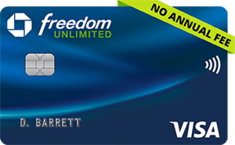
The best no-fee sidekick in the Chase system. Standalone it is a fine 1.5% card. Paired with a Sapphire it becomes a transfer-partner earning machine.
The simplest good card in the market. 2% on everything with no fee. The 3% foreign transaction fee makes it a poor pick abroad.
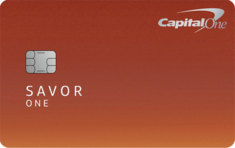
The best no-fee card for households that eat out and stream a lot. The grocery bonus is a meaningful upgrade over flat 2% cards.
The simplest Chase business card: 1.5% on everything, no annual fee and no categories to manage. It suits businesses whose spending does not line up with the Ink Cash bonus categories.
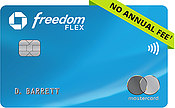
A no-fee cash-back card that punches well above its weight, especially when paired with a Sapphire that turns its cash back into transferable points.
A no-fee card that pays 5% back on Amazon, Whole Foods and Chase Travel as long as you keep an eligible Prime membership. The 5% rate depends on paying for Prime, and everyday spending outside the bonus categories earns only 1%.
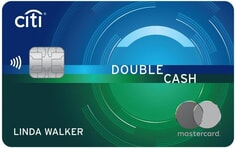
The Active Cash alternative for households that already hold a Citi Premier. Pairing the Double Cash with a Premier turns your 2% into transferable ThankYou Points.
One of the few no-annual-fee cards that pays 5% on categories most issuers ignore, such as home utilities and cell phone bills. It only works if you remember to re-select your categories every quarter, because unselected spending drops to 1%.
The best no-fee travel earner. 3x on six categories covers most of a trip and most of a normal month. Points pool with the Autograph Journey for transfers.
A fine starter card. The 1.5% rate trails the 2% flat cards, but no foreign transaction fee makes it the better no-fee pick for travel abroad.
A flat 2% on the first $50,000 of yearly spend with no annual fee, plus 12 months at 0% on purchases. The 2.7% foreign transaction fee makes it a poor fit for businesses that buy abroad.
A travel card that charges no annual fee, waives foreign transaction fees, and still includes a Priority Pass membership and a Global Entry or TSA PreCheck fee credit. U.S. Bank points do not transfer to airlines or hotels, so they are worth about a cent each no matter how you redeem.
The best no-fee category card for BofA banking customers. Preferred Rewards turns 3% into 5.25% on the category you spend the most on.
Every purchase earns 2% and the rewards sweep straight into a brokerage, IRA, HSA or 529 account, with no annual fee and no foreign transaction fee. There is no welcome bonus, so its value comes entirely from long-term use.
Flat 1.5% back with no annual fee, rising to as much as 2.62% for Preferred Rewards for Business members. The 3% international transaction fee makes it a poor fit for businesses that buy abroad.
A no-annual-fee dining card with a genuinely high 4X rate, held back by a $2,000 quarterly cap and a 3% foreign transaction fee. Points redeem at roughly a cent into a U.S. Bank account and cannot be transferred anywhere.
The card pays 4% on DoorDash and Caviar and covers a year of DashPass, so it works for people who already order delivery regularly. Outside food and groceries it earns 1%, and the DashPass benefit auto-renews at a charge unless you cancel or spend $10,000 a year.
A no-annual-fee flat-rate card whose first-year Miles Match effectively doubles the 1.5x rate to 3x for 12 months. Miles are only worth 1 cent each and there are no transfer partners, and Discover acceptance is weaker outside the United States.
A no-fee on-ramp to Capital One miles. The 1.25x rate is light, so it works best as a starter or a keeper card after downgrading.
Big numbers, cheap points. 7x on Hilton stays is an effective 2.5% back, fine for a no-fee card but a step behind the Surpass for anyone spending $15 a night more.
Instacart spending earns 5%, but only on the first $6,000 a year, with another 5% on Chase Travel bookings. Chase lists no travel or purchase protections on this card, so it is narrower than most Chase cash back products.
The entry AAdvantage card: no annual fee, 2 miles per dollar at grocery stores and on American Airlines purchases, and Loyalty Points that count toward status. It has no free checked bag and charges a 3% foreign transaction fee, so it is a supplement rather than a primary travel card.
A simple no-fee travel card that gets genuinely good at Platinum Honors, where it earns an effective 2.625% against any travel purchase.
A genuinely fee-free business travel card. Booking through BofA's own travel portal earns 3x versus a flat 1.5x elsewhere, and Preferred Rewards for Business members can push that even higher.
The 2% category is narrow and capped at $1,000 a quarter, but doubling your entire first year of cash back with no minimum spend is real value on a card that charges no annual fee.
Signify Business Cash pairs flat 2% back on every purchase with a $0 annual fee, a rare combination for a business card. The $500 bonus and Priority Pass Select access make it a strong pick if you want simplicity over bonus categories.
A flat 1.5% on everything is easy to use and the $250 bonus is solid for a no-fee card, but the 3% foreign transaction fee makes it a poor choice to carry when you travel abroad.
Platinum earns nothing back, and that's the point. It exists to help fair-credit borrowers build a payment history with a $0 annual fee, then graduate to a card that actually rewards you.
Three percent back on groceries, gas, and online shopping covers most household budgets, and the $0 fee means there's no math to do before you sign up. The $6,000 annual cap on each category is the only real limit.
Simplicity is the whole pitch here. 2x points on every purchase up to $50,000 a year beats most flat-rate business cards, and there's no annual fee to offset.
Platinum Secured is a straightforward deposit-for-credit-line trade: put down $49 to $200 depending on your credit, get a $200 line, and build history with no annual fee. Treat it as a stepping stone to a rewards card once your score recovers.
5% cash back on up to $1,500 a quarter in rotating categories beats most flat-rate cards if you remember to activate every three months, and the first-year cash back match makes the effective return even better.
The 5% gas rate is one of the best available anywhere, but you're locked into paying for a Costco membership just to hold the card, and the cash back arrives once a year as a certificate instead of monthly statement credits.
Picking your own 3% category is genuinely useful for a small business with one dominant expense line, and the $50,000 combined annual cap is generous enough that most small businesses won't hit it.
Built for students with no credit history, this card matches your entire first year of cash back and charges no annual fee, though the 2% category is capped at just $1,000 a quarter.
Reflect isn't a rewards card, it's a debt-payoff tool. The 21-month 0% intro APR on purchases and balance transfers is among the longest available, and the tradeoff is simple: no bonus, no earn rate, just nearly two years to pay down a balance interest-free.
A six-figure welcome bonus on a no-fee card. The fourth-night-free benefit now takes $5,000 in yearly spending to unlock, so this works best as a low-cost way into IHG points.
A debt-payoff card, not a rewards card. The 21-month transfer window is the entire point.
A fine no-fee way to keep United miles alive. The bag benefit requires $10,000 in annual spend, so most people should step up to the Explorer.
A no-annual-fee card that returns 1% in Disney Rewards Dollars, which can only be spent at Disney. The park discounts and vacation financing are the real draw. The earn rate is below what a general 2% cash back card pays.
A no-fee way into Bonvoy with surprisingly decent trip protections. No free night certificate means the Boundless is worth the $95 for anyone who stays at Marriott yearly.
The best student card in year one because of Cashback Match, and Discover now layers on a $100 statement credit after $300 in spending during the first 3 months.
Worth holding just for the 15% award discount if you redeem SkyMiles at all. No bag benefit means frequent Delta flyers should pay up for the Gold.
Applications are paused as of June 2026 while Capital One integrates Discover onto its own platform, so you cannot apply for this card right now. Existing cardholders still get real cash-back categories instead of the zero rewards most secured cards offer, though the once-guaranteed 7-month graduation review is now on an unscheduled periodic basis.