After the 2025 refresh this is a $795 credits machine with the best protections in the market. The math works if you use The Edit and the dining credit. If you will not, the Preferred keeps most of the earning power.
Advertiser disclosure: we are paid when you apply through some links on this page. We're paid when you apply via some links. Details
Cards that pay 3x or more on restaurants, takeout, and delivery. The dining bonus is where transferable-points cards routinely beat flat 2% cash back. Pair a dining-heavy points card with a Sapphire, Premier, or Platinum and the math gets meaningful.
After the 2025 refresh this is a $795 credits machine with the best protections in the market. The math works if you use The Edit and the dining credit. If you will not, the Preferred keeps most of the earning power.
The mid-tier travel card most people keep for years. The June 2026 refresh added 3x earning on gas, EV charging, and vacation rentals, doubled the hotel credit to $100, and added a $120 Global Entry credit, all at a $95 fee.
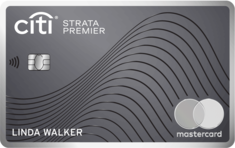
Still the strongest food-spend card in the market. The $325 fee nets down fast if the monthly credits fit your habits, and the 2026 refresh added real hotel earning.
The premium Atmos card pairs 3 points per $1 on dining and all foreign spending with eight Alaska Lounge passes and a companion award worth up to 25,000 points each year. At $395 it needs regular Alaska or Hawaiian flying, and the lounge benefit is passes rather than a membership.
A $795 business card that pays 8x on Chase Travel and stacks more than $3,000 of stated annual credits, most of which are tied to specific merchants and booking channels. It is a Pay in Full card with a Flex for Business line, so it suits businesses that clear the balance monthly and will actually use the Chase Travel, Google Workspace, ZipRecruiter and DoorDash credits.
The widest 3x coverage of any $95 card. If your spending spreads across gas, groceries, dining, and travel, this earns more than a Sapphire Preferred. Protections are weaker.
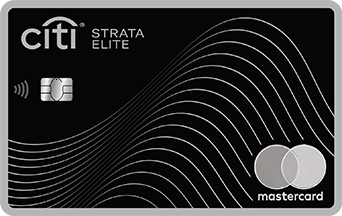
The Strata Elite pairs a $595 fee with about $820 in annual credits plus Priority Pass Select, so the math works if you use the hotel, Splurge and Blacklane credits. Its 12x and 6x rates only apply to bookings made through cititravel.com, which limits where the top earning shows up.
The best no-fee sidekick in the Chase system. Standalone it is a fine 1.5% card. Paired with a Sapphire it becomes a transfer-partner earning machine.
The best no-fee card for households that eat out and stream a lot. The grocery bonus is a meaningful upgrade over flat 2% cards.
The anti-portal travel card. Top-tier earn rates on hotels and flights booked anywhere, which beats portal-locked rivals for travelers who book direct. No trip delay coverage is the notable gap.
The grocery card to beat for families that hit the $6,000 cap. At $360 in supermarket cash back alone, the math works for almost any household with a full kitchen.
A no-fee cash-back card that punches well above its weight, especially when paired with a Sapphire that turns its cash back into transferable points.
A no-fee card that pays 5% back on Amazon, Whole Foods and Chase Travel as long as you keep an eligible Prime membership. The 5% rate depends on paying for Prime, and everyday spending outside the bonus categories earns only 1%.
The best no-fee travel earner. 3x on six categories covers most of a trip and most of a normal month. Points pool with the Autograph Journey for transfers.
A travel card that charges no annual fee, waives foreign transaction fees, and still includes a Priority Pass membership and a Global Entry or TSA PreCheck fee credit. U.S. Bank points do not transfer to airlines or hotels, so they are worth about a cent each no matter how you redeem.
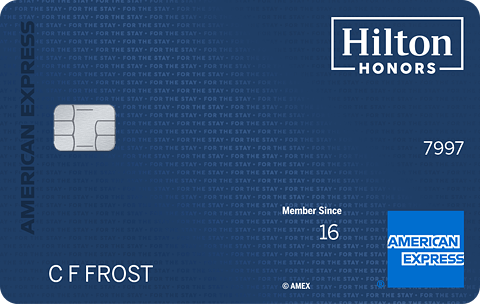
The $200 annual Hilton credit and the free night at $15,000 of spend cover the $150 fee for anyone who stays with Hilton a few times a year. Hilton points are worth well under a cent each, so the 12x headline rate is smaller than it looks.
Mediocre at face value, exceptional with Platinum Honors status. If you keep $100K at Merrill this quietly outearns nearly every flat-rate card. Points are fixed at 1 cent.
A no-annual-fee dining card with a genuinely high 4X rate, held back by a $2,000 quarterly cap and a 3% foreign transaction fee. Points redeem at roughly a cent into a U.S. Bank account and cannot be transferred anywhere.
The two-free-bags change in 2026 made this an easy call for Delta households. Earning rates are modest, so pair it with a stronger everyday card.
The top-tier Chase Disney card, at $149 a year, pays 10% back on Disney, Hulu and ESPN subscriptions and adds a $10 monthly streaming credit plus two anniversary bonuses worth $300 if you hit the spend thresholds. Rewards can only be spent at Disney or against airfare, so the fee is hard to justify without regular Disney spending.
A premium card that only makes sense for Preferred Rewards Platinum Honors households, where the effective earn rates and $450 in credits beat the fee. Everyone else has better options.
A $100 airline credit and a $120 Global Entry credit beat the $95 fee. PenFed stopped waiving that fee for military members and checking customers on September 28, 2026. PenFed points are worth $0.0085 to $0.01 each with no transfer partners, and the Priority Pass membership still charges $35 per lounge visit.
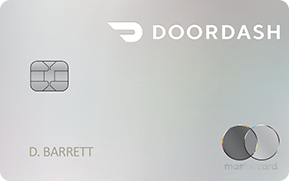
The card pays 4% on DoorDash and Caviar and covers a year of DashPass, so it works for people who already order delivery regularly. Outside food and groceries it earns 1%, and the DashPass benefit auto-renews at a charge unless you cancel or spend $10,000 a year.
Instacart spending earns 5%, but only on the first $6,000 a year, with another 5% on Chase Travel bookings. Chase lists no travel or purchase protections on this card, so it is narrower than most Chase cash back products.
The 2% category is narrow and capped at $1,000 a quarter, but doubling your entire first year of cash back with no minimum spend is real value on a card that charges no annual fee.
The $49 fee buys real Disney perks, not flexible rewards. The up-to-$300 in bonus value covers years of the fee up front, but 1% back on everyday spending outside the bonus categories means this only pays off if you visit Disney parks or stream Disney+ regularly.
The $250 fee is steep, but Gold Elite status plus a Free Night Award worth up to 50,000 points at $15,000 spend can cover it many times over for frequent Marriott guests. This makes the most sense if you're already loyal to the brand, not as a general travel card.
The 5% gas rate is one of the best available anywhere, but you're locked into paying for a Costco membership just to hold the card, and the cash back arrives once a year as a certificate instead of monthly statement credits.