Flat-rate versus category cash back: which earns more?
Flat 2% on everything beats category cash back in most households. Here is the math, and the exceptions where category cards win.
The flat-rate versus category-rate cash-back debate has a clear answer for most people: flat-rate wins on average across a typical household’s spending. Category cards win for specific households with concentrated spend. The cleanest setup is one of each.
The flat-rate case
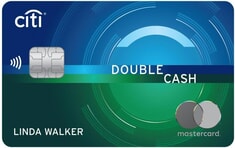
A flat 2% card earns 2 cents on every dollar of spending. No categories to track, no quarterly activation, no $1,500 spending caps, no excluded merchants. The Wells Fargo Active Cash, Citi Double Cash, and Fidelity Visa all pay this rate with $0 annual fees.
The mental model is simple. Spend $20,000 a year on the card and earn $400 in cash back. Spend $30,000 and earn $600. Spend $50,000 and earn $1,000.
The flat-rate card never disappoints. Every purchase is the same rate. Every category is included. Every merchant counts.
The category-rate case
A category card pays a higher rate (typically 3% to 6%) on a specific spending area: dining, groceries, gas, online shopping, travel, or a rotating quarterly bucket. Outside the bonus category, most category cards earn 1%.
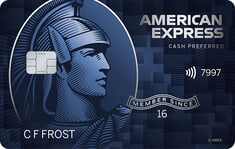
The Amex Blue Cash Preferred earns 6% at US supermarkets up to $6,000 in annual spend. A household that spends $500 a month on groceries earns $360 a year on supermarkets alone. The same $6,000 in supermarket spend on a 2% flat card would earn $120. The category card earns 3x as much in that specific bucket.
But that household also spends $14,000 a year on things that are not groceries. At 1% on the Blue Cash Preferred, the rest earns $140. Total annual rewards: $500.
The same household putting all $20,000 of spending on a 2% flat card earns $400.
Difference: $100, in favor of the Blue Cash Preferred. The Blue Cash has a $95 annual fee (waived first year). Net advantage in year one: $195. In year two with the fee paid: $100.
The category card wins, but by less than it looks.
When category cards genuinely win
Heavy concentration in a single category. A two-person household spending $1,000 a month on groceries earns $720 on the Blue Cash Preferred from supermarkets alone, against $240 on a flat 2% card. Difference: $480 per year. Category wins decisively.
Dining-heavy households. The Capital One Savor (the card formerly named SavorOne) at 3% on dining, entertainment, and streaming earns more than 2% flat for any household spending $400+ a month on those combined categories.
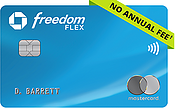
Rotating-category enthusiasts. The Chase Freedom Flex and Discover it Cash Back rotate 5% categories each quarter. A household that pays attention and uses the cards in the rotating bonus categories earns above 2% blended.
When flat-rate wins
Diversified spending. If your spend is spread evenly across dining, travel, groceries, gas, entertainment, and uncategorized, no single category card has enough concentration to beat 2% across the whole pool.
Low-attention wallets. If you do not want to think about which card to use at each merchant, a single 2% flat card handles every purchase identically.
Households with under $10,000 in annual card spend. The category bonus math requires meaningful spending to overtake the flat rate. Below $10K annual spend, the difference between 2% flat and any category card setup is usually under $50 a year.
The stacked wallet
For households that want to optimize, the two-card setup beats either approach alone.
Card 1: a flat 2% card for uncategorized spend and as the default card in your wallet.
Card 2: a category card targeting your highest-spend bonus category. If you cook at home, the Blue Cash Preferred for groceries. If you eat out, the Savor for dining. If your spend is rotating, the Freedom Flex for the quarterly bonuses.
Use the category card only inside its bonus category. Use the flat card for everything else. Total wallet rewards typically end up at 2.5% to 3% blended, depending on the category card and your spend mix.
Bottom-line recommendation
Start with a flat 2% card if you are building a cash-back wallet. Wells Fargo Active Cash or Citi Double Cash. Add a category card after a year, picked based on your actual spending data. The category card is an enhancement, not a substitute.