How to pick a travel rewards credit card
Travel rewards cards split into flexible-points, airline cobrands, hotel cobrands, and premium credits. Here is how to choose.
The travel rewards card market has four product categories that look similar in marketing but earn very different things. Knowing which category you are shopping in is the first step toward picking the right card.
The four categories
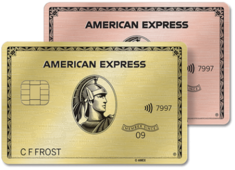
Flexible-points cards. Chase Sapphire Preferred, Sapphire Reserve, Amex Gold, Amex Platinum, Capital One Venture, Venture X, Citi Strata Premier. Earn transferable points that move to airline and hotel partners. Most flexibility, broadest use case.
Airline cobrand cards. United Explorer, Southwest Priority, Delta SkyMiles Gold, American AAdvantage, Alaska, JetBlue Plus. Earn miles in one specific airline’s program. Useful for that airline’s flyers, mostly useless outside it.
Hotel cobrand cards. Marriott Bonvoy Boundless, Marriott Bonvoy Brilliant, Hilton Honors Aspire, Hyatt, IHG One Premier. Earn points in one specific hotel chain. Anchor benefit is usually an annual free night.
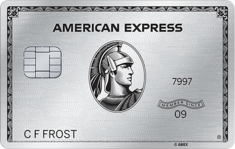
Premium-credit cards. Amex Platinum, Capital One Venture X, Sapphire Reserve, Bonvoy Brilliant, Hilton Aspire. High annual fees offset by stacked statement credits, lounge access, and elite status benefits.
How to choose
Step 1: figure out your travel pattern
Pull last year’s travel. How many trips? Domestic versus international? Same airline most of the time, or whatever is cheapest? One hotel chain consistently, or wherever you find a deal?
The travel pattern points to the card category.
- 4+ trips a year, mostly one airline: airline cobrand is worth considering, especially for the free checked bag benefit.
- 4+ trips a year, mostly one hotel chain: hotel cobrand with annual free night.
- 4+ trips a year, mixed airlines and hotels: flexible-points card.
- 1 to 3 trips a year: flexible-points card at the mid tier ($95 to $325 fee), not a premium card.
- Frequent international premium-cabin travel: premium flexible-points card with transfer partners (Amex Platinum, Sapphire Reserve, Venture X).
Step 2: pick the flexible-points anchor
The flexible-points anchor is the card that earns your transferable currency. Most readers should pick one of three:
- Chase Ultimate Rewards (Sapphire Preferred or Reserve). Best for Hyatt loyalists, United flyers, Southwest flyers. Strongest US-based partner network.
- Amex Membership Rewards (Amex Gold or Platinum). Best for international premium cabins via Aeroplan and ANA. No Hyatt access.
- Capital One Miles (Venture X). Best for the flat 2x earn rate and Turkish/Avianca/Aeroplan premium-cabin access. No Hyatt access.
The choice depends on where you want to redeem. Match the program to your travel pattern.
Step 3: add a cobrand only if it pays for itself
A cobrand card is worth adding when its specific benefits (free checked bag, priority boarding, annual free night) exceed its annual fee on your actual usage.
The United Explorer at $95 pays for itself in checked-bag fees on three round-trips a year for a couple. Below that, the math is borderline.
The Marriott Bonvoy Boundless at $95 pays for itself through the annual free night at most properties.
The Amex Hilton Aspire at $550 pays through Diamond status, the $400 resort credit, and the free weekend night. Heavy Hilton users do this math easily.
The Bonvoy Brilliant at $650 only pays for households who hit Platinum status routinely and use the $300 dining credit.
Step 4: do not stack premium fees
Holding the Amex Platinum, Sapphire Reserve, and Venture X simultaneously costs $1,640 in annual fees. Even with maximum credit utilization, the math gets hard. Pick one premium card. Save the others for downgrade-to-mid-tier later.
What to avoid
Buying a travel card before you travel. The card does not make you travel more. The fee accrues regardless.
Stacking three airline cobrands across three airlines. The free-bag benefit only triggers for the airline whose card you used to buy the ticket. Three cards across three airlines means you spread the benefit too thin.
Chasing welcome bonuses on cards you would not otherwise keep. The bonus is one-time. The annual fee recurs. After year one, the card has to earn its place.
Premium cards as a status purchase. The lounge access is real and the credits are real. The status itself is not what makes the math work. Use credits, use lounges, or do not pay the fee.
Bottom-line recommendation
For most travelers: Chase Sapphire Preferred or Amex Gold as the flexible-points anchor, plus one airline or hotel cobrand for the carrier or chain you use most. Two cards, $190 to $420 in combined fees, covers 80% of useful travel rewards math. Step up to a premium card only when your travel pattern actually justifies the credits.